




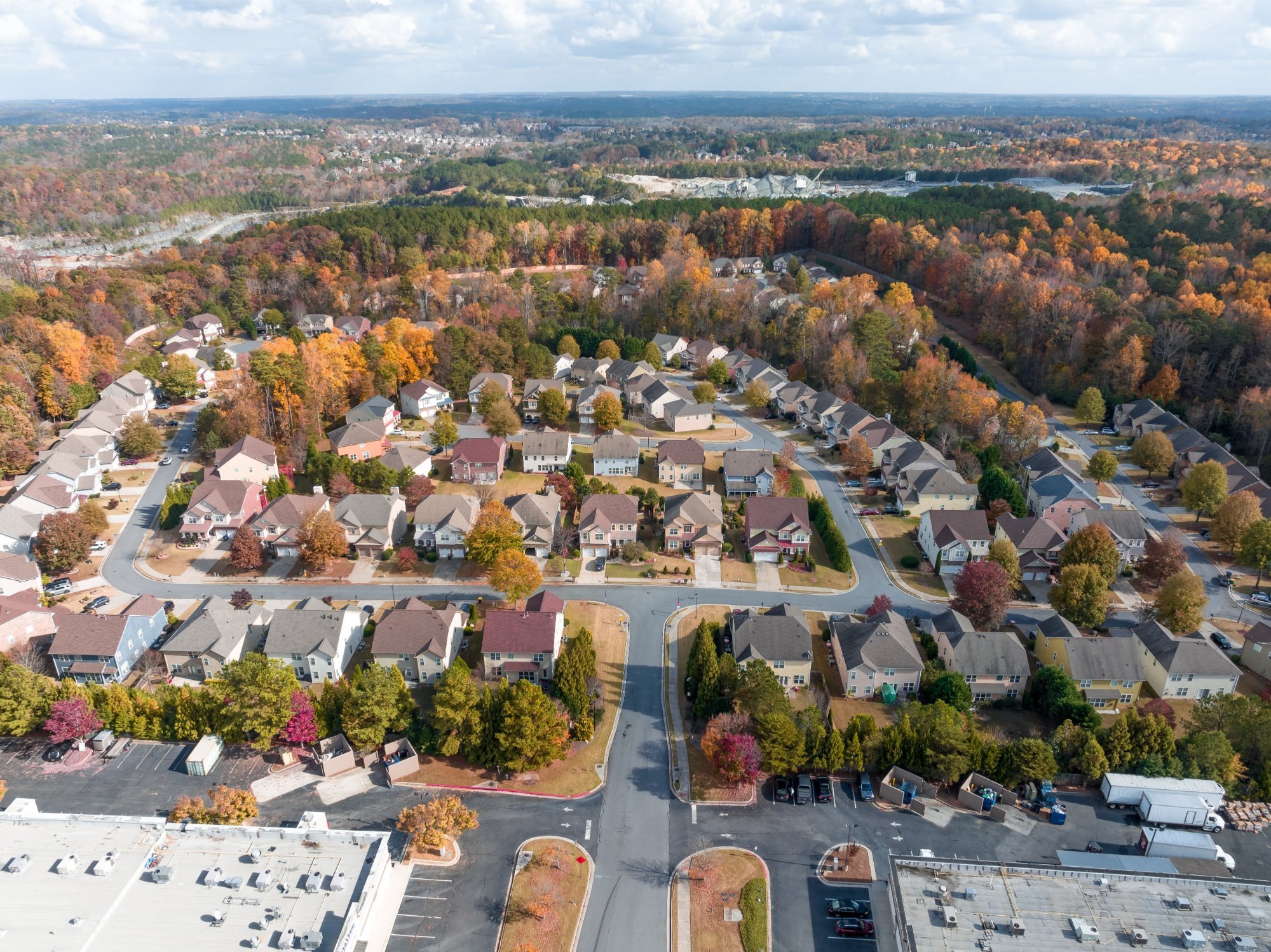

More families moved from major metropolitan areas to smaller North Carolina counties in 2025 than any previous year on record, with Cleveland and Gaston Counties leading the charge as preferred destinations for those seeking a different way of life. These two counties have quietly become magnets for families ready to trade crowded city streets for tree-lined neighborhoods where kids still ride bikes to school and neighbors actually know each other's names. The shift represents something deeper than just a housing trend - it's families actively choosing communities where Friday night football games matter more than rush hour traffic, and where a trip to the grocery store often includes conversations with familiar faces. This article breaks down exactly what makes Cleveland and Gaston Counties so appealing to families considering a move in 2026, from their highly-rated school districts that consistently outperform state averages to housing markets where your dollar stretches significantly further than urban alternatives. You'll discover specific neighborhoods that offer the best value for growing families, learn about the community programs that make these areas feel like home from day one, and understand why safety ratings here consistently rank among North Carolina's highest. Whether you're looking to downsize after the kids have moved out or need more space for a growing family, these counties offer options that urban areas simply can't match. What specific factors should guide your decision when choosing between these two counties, and which communities within them offer the best fit for your family's unique needs?
Affordable Living and Housing Options
Home buyers discover significant cost advantages when comparing Cleveland and Gaston Counties to Charlotte's metropolitan market. Both counties present compelling financial opportunities for families ready to stretch their housing budgets further while maintaining reasonable commuting distances to major employment centers.
Median Home Prices and Affordability
Cleveland County offers exceptional value with a median home list price of $296,450, making homeownership accessible for middle-income families who might struggle to enter Charlotte's competitive market. The county has experienced a 58% increase over the past five years, yet prices remain substantially below regional averages. Gaston County presents slightly higher costs at $340,000 median, reflecting its proximity to Charlotte and established infrastructure, with a more moderate 27% increase during the same period.
These price points translate to monthly mortgage payments that typically run $800 to $1,200 less than comparable properties in Mecklenburg County. First-time buyers often find they can secure three-bedroom homes with yards in established neighborhoods for prices that would barely cover a two-bedroom condominium in urban areas. Property taxes remain reasonable in both counties, with Cleveland County maintaining some of the lowest rates in the Charlotte metropolitan statistical area.
Rental Market Overview
Rental properties in both counties cater to diverse needs, from young professionals seeking temporary housing to retirees downsizing from larger homes. Cleveland County rental rates average $900 to $1,400 monthly for single-family homes, while Gaston County ranges from $1,100 to $1,600, depending on proximity to Lake Wylie and Gastonia's downtown district.
Apartment complexes have expanded significantly, particularly in Kings Mountain and Gastonia, offering modern amenities like fitness centers and community pools. Many rental properties feature larger floor plans than urban counterparts, with most two-bedroom apartments including in-unit laundry and private patios. Vacancy rates hover around 5-7%, indicating healthy demand without the extreme competition found in Charlotte's rental market.
Housing Investment Initiatives
The Cleveland Housing Investment Fund has allocated over $2.3 million toward affordable housing development since 2022, focusing on workforce housing for teachers, healthcare workers, and municipal employees. This initiative has supported the construction of 150 new homes priced specifically for families earning 80-120% of area median income.
Gaston County's housing authority has partnered with local developers to create mixed-income communities that blend affordable units with market-rate housing. These developments avoid the concentrated poverty patterns often seen in traditional public housing, instead creating diverse neighborhoods where children attend the same schools regardless of their family's income level.
Both counties offer down payment assistance programs for qualified buyers, with Cleveland County providing up to $15,000 in forgivable loans for first-time purchasers who commit to five-year residency requirements. Gaston County's program focuses on specific zip codes where revitalization efforts are underway, offering both financial assistance and tax incentives for buyers willing to invest in emerging neighborhoods.
Building these housing opportunities creates sustainable growth patterns that support local businesses while maintaining the small-town character that draws families to the region. The combination of reasonable prices, available land for development, and supportive local policies positions both counties as smart long-term investments for families planning their next chapter.
Quality Education and School Innovations
Parents researching educational opportunities find both Cleveland and Gaston Counties have transformed their approach to learning through strategic facility improvements and innovative programming. These districts have earned recognition for turning educational challenges into opportunities that benefit entire communities.
Cleveland County's Redevelopment Success
Cleveland County Schools has reimagined abandoned educational buildings as community assets rather than letting them deteriorate. The district converted the former Lattimore Elementary into a comprehensive early childhood development center that serves families throughout the western portion of the county. This facility now houses pre-K programs, parent education workshops, and after-school care services under one roof.
The transformation of closed campuses extends beyond simple repurposing. Former Burns High School became a career and technical education hub where students from multiple high schools attend specialized programs in automotive technology, healthcare sciences, and advanced manufacturing. This centralized approach allows the district to offer expensive equipment and specialized instructors that individual schools couldn't support independently.
Administrative offices relocated to the renovated Fallston Elementary building, freeing up space at active schools for expanded classrooms and support services. The move reduced overhead costs while creating a more efficient distribution of resources across the district's geographic area.
Gaston County's Modernization Efforts
Gaston County Schools has invested heavily in upgrading existing facilities with modern technology and expanded learning spaces. The district achieved a record-high graduation rate of 88.8 percent while simultaneously improving infrastructure to support contemporary educational methods.
New construction projects focus on flexible learning environments that accommodate different teaching styles and class sizes. Recently completed renovations at multiple elementary schools include dedicated STEM laboratories, expanded media centers, and collaborative learning spaces designed for project-based instruction.
The district's commitment to facility improvements coincides with measurable academic progress. Reading proficiency increased by +1.8 overall while math proficiency increased by +2.3 overall during the most recent assessment period. Fourth grade students showed particularly strong gains with math scores improving by +4.6 and reading by +5.0.
Technology integration has become a cornerstone of the modernization effort. Every classroom now features interactive displays, reliable internet connectivity, and device access for students. These upgrades support both traditional instruction and distance learning capabilities that proved essential during recent years.
Expanding Career and Technical Education programs has become a district priority, with students earning 8,900 CTE credentials during the 2023-2024 academic year. These programs prepare graduates for immediate employment in growing industries while maintaining pathways to higher education.
Building partnerships with local manufacturers and healthcare systems creates authentic learning experiences where students work on real projects with professional mentors. These relationships often lead to internship opportunities and job placements after graduation, strengthening the connection between education and economic development in the region.
Community Safety and Health Benefits
Families relocating to these two counties discover that personal security and medical care access form the foundation of daily life here. Both Cleveland and Gaston Counties have developed comprehensive approaches to protecting residents while ensuring healthcare remains within reach for all community members. Local law enforcement agencies work closely with neighborhood watch groups, creating layers of protection that extend beyond traditional policing methods. Emergency response times consistently meet or exceed state benchmarks, while community health initiatives address everything from preventive care to crisis intervention services.
Recent data reveals mixed patterns in public safety trends that require honest examination. Cleveland County reported 346 violent crimes in 2023, representing a 6% increase from the previous year. The most common violent crimes were aggravated assault and robbery, accounting for the majority of incidents. However, this data comes with important context - the county maintains 98% coverage in crime data reporting, meaning law enforcement agencies capture nearly all incidents for accurate tracking and response planning. This transparency allows residents to make informed decisions about where they live and work within the county.
Medical services in both counties have expanded significantly to meet growing population demands. Cleveland Regional Medical Center anchors healthcare delivery in Shelby, offering emergency services, surgical procedures, and specialized care units that serve the entire county. Gaston County benefits from proximity to Charlotte's major medical facilities while maintaining local options through CaroMont Health systems in Gastonia and Belmont. Community health assessments conducted annually identify specific needs within different neighborhoods, leading to targeted wellness programs and mobile health clinics that reach underserved areas. Mental health services have received particular attention, with both counties establishing crisis intervention teams and expanding counseling services for families dealing with stress, addiction, and trauma recovery.
Supporting families during difficult transitions has become a priority across both counties through coordinated social service networks. The Cleveland County Department of Social Services operates emergency assistance programs that provide temporary housing, food security, and utility assistance for families facing sudden job loss or medical emergencies. Gaston County's Family Crisis Council coordinates with local churches, nonprofits, and volunteer organizations to create comprehensive support systems that address immediate needs while building long-term stability. These programs specifically target families with children, ensuring that housing instability doesn't disrupt school attendance or access to healthcare. Emergency department visits due to firearm injury increased by 6% among Cleveland County residents, highlighting the ongoing need for violence prevention programs that address root causes while supporting affected families through recovery and healing processes.
Embracing Small-Town Lifestyle and Values
Downtown Shelby maintains its historic courthouse square where local businesses have operated for generations, while Kings Mountain preserves Revolutionary War battleground sites that anchor community identity. Gastonia's textile heritage shapes neighborhood character through converted mill villages that now house young professionals and retirees seeking walkable communities. Belmont's lakefront location along the Catawba River creates a resort-like atmosphere where residents enjoy waterfront dining and recreational activities within minutes of their homes. Dallas operates as a quiet residential hub where tree-lined streets connect established neighborhoods to newer subdivisions, all within easy reach of Charlotte's employment opportunities.
These five municipalities share common threads that define daily life for residents who value personal connections over anonymous urban living. Local coffee shops serve as informal meeting places where business deals happen over morning conversations, and downtown areas host weekly farmers markets where vendors know their customers' preferences. Hardware stores still offer personalized service, and bank tellers recognize account holders by sight rather than account numbers.
Annual celebrations throughout both counties bring entire communities together for shared experiences that strengthen social bonds:
Each event reflects the personality of its host community while welcoming visitors from neighboring towns. Volunteer committees organize these gatherings, with the same families often serving leadership roles across multiple generations. Local churches, civic clubs, and business associations coordinate logistics, creating networks of mutual support that extend beyond festival dates.
Strengthening family connections remains central to how these communities operate on both formal and informal levels. Gaston County is a place where neighbors know each other by name and families gather for community events that celebrate our heritage. Multi-generational households often live within the same neighborhoods, allowing grandparents to participate actively in childcare while maintaining independent living arrangements. Youth sports leagues depend on parent volunteers who coach teams, maintain fields, and organize fundraising activities that teach children about teamwork and community responsibility. Churches serve as social centers where wedding receptions, funeral meals, and holiday celebrations bring together extended family networks that span decades of shared history.
Recreational Amenities and Family Activities
Both counties maintain extensive networks of athletic facilities and leisure spaces that cater to diverse age groups and interests. Cleveland County operates multiple recreation centers equipped with gymnasiums, fitness equipment, and meeting rooms that host everything from youth basketball leagues to senior citizen exercise classes. The county's baseball and softball complexes feature tournament-quality fields that draw teams from across the region for weekend competitions. Gaston County complements these offerings with its comprehensive parks system that includes specialized facilities for tennis, swimming, and soccer programs that serve thousands of participants annually.
Youth sports leagues form the backbone of weekend activities throughout both counties, with organizations managing teams for children as young as four years old through high school graduation. Baseball, softball, football, and basketball programs operate year-round, providing structured activities that keep families engaged in their local communities. Adult recreational leagues extend these opportunities to parents and working professionals who want to maintain active lifestyles while building social connections with neighbors and colleagues.
Opportunities for Outdoor Activities
Gaston County offers amazing greenways and blueways that showcase diverse landscapes including mountain vistas, quiet rivers, and urban pathways perfect for family exploration. The county features over 100 miles of interconnected trails that accommodate walkers, cyclists, and nature enthusiasts seeking peaceful outdoor experiences. These paved and natural surface trails connect residential neighborhoods to shopping areas, schools, and employment centers, creating transportation alternatives that reduce vehicle dependency while promoting physical fitness.
More than 20 parks and nature preserves throughout Gaston County provide dedicated spaces for picnicking, playground activities, and environmental education programs. Rankin Lake Park serves as a central gathering place with boat rentals, fishing piers, and pavilions available for family reunions and birthday celebrations. The Daniel Stowe Botanical Garden offers seasonal displays and educational workshops that teach children about native plant species and sustainable gardening practices.
Cleveland County's outdoor recreation focuses heavily on lake access and water-based activities along the Broad River and its tributaries. Public boat ramps and fishing areas provide affordable entertainment for families who enjoy spending time on the water. Hiking trails through state parks and nature preserves offer opportunities to observe wildlife and explore geological formations unique to the Piedmont region.
Community Engagement Programs
Library systems in both counties serve as cultural and educational hubs that extend far beyond traditional book lending services. The Cleveland County Memorial Library operates branches in Shelby, Boiling Springs, and Kings Mountain, each offering computer access, meeting rooms, and programming designed for different age groups. Children's story time sessions, teen gaming tournaments, and adult computer literacy classes create regular gathering opportunities that bring diverse community members together in shared learning environments.
Gaston County's library network includes eight locations that coordinate programming across the county's geographic area. Summer reading challenges motivate children to maintain academic skills during school breaks while providing parents with structured activities that don't require expensive enrollment fees. Adult education classes cover topics ranging from financial literacy to job interview preparation, supporting residents who are navigating career transitions or economic challenges.
Programming extends beyond traditional library services to include maker spaces equipped with 3D printers, craft supplies, and technology training stations. These resources allow families to explore creative projects together while learning new skills that support academic and professional development. Evening and weekend hours accommodate working parents who need flexible scheduling for family activities.
Connecting residents through shared interests creates lasting friendships that strengthen neighborhood bonds and increase civic participation. Regular programming schedules help newcomers integrate into established social networks while providing longtime residents with opportunities to welcome and mentor families adjusting to life in smaller communities.
Expert and Local Perspectives
Real estate professionals working in both counties witness firsthand how families respond when they visit potential neighborhoods for the first time. Agents consistently report that clients express surprise at the genuine warmth they encounter during home tours, where neighbors often stop to introduce themselves and share insights about local schools or upcoming community events. These spontaneous interactions frequently influence purchasing decisions more than property features or pricing considerations.
Municipal officials in both counties have observed demographic shifts that reflect broader national trends toward smaller communities. Cleveland County commissioners note that new residents often cite school quality and neighborhood safety as primary factors in their relocation decisions, while Gaston County leadership emphasizes how infrastructure investments have positioned their communities to accommodate growth without sacrificing the personal connections that define small-town living.
Professional recognition from national evaluation platforms validates what residents already know about their communities. Cleveland County ranks among the top 25% of counties in North Carolina for public schools, according to comprehensive data analysis that considers academic performance, extracurricular opportunities, and resource allocation. This ranking reflects sustained investment in educational infrastructure and teacher retention programs that maintain consistency in classroom instruction from year to year.
The recognition extends beyond educational metrics to encompass broader quality-of-life measurements that matter to families making long-term housing decisions:
Resident voices provide the most compelling evidence of why these counties continue attracting new families each year. "Cleveland County is a great place to raise a family because of the strong schools and safe neighborhoods," reflects the sentiment expressed repeatedly in community surveys and online reviews. Parents frequently mention how quickly their children adapt to new schools and form lasting friendships with classmates whose families share similar values about education and community involvement.
Long-term residents often serve as informal ambassadors for their communities, sharing practical information about everything from the best pediatricians to youth sports registration deadlines. "The community here is very supportive, and there are plenty of activities for kids and families," captures the collaborative spirit that newcomers discover when they need assistance navigating local resources or finding their place in established social networks.
Housing market professionals emphasize how word-of-mouth recommendations drive continued interest in both counties. Families who relocate successfully often encourage friends and extended family members to consider similar moves, creating referral patterns that sustain steady population growth without overwhelming existing infrastructure or school systems. This organic growth pattern helps preserve the community characteristics that originally attracted new residents while ensuring adequate resources remain available for both established and incoming families.
Final Thoughts
Cleveland and Gaston Counties offer families something increasingly rare in 2026 — genuine community connections paired with practical advantages. These counties deliver quality schools that prepare children for their futures, neighborhoods where safety isn't a luxury, and housing costs that won't stretch your budget beyond comfort. The small-town atmosphere provides breathing room from urban pressures while maintaining access to necessary amenities.
This information serves families facing relocation decisions by highlighting concrete benefits rather than empty promises. Understanding what these counties actually provide — from educational opportunities to community support systems — helps you evaluate whether this move aligns with your family's needs. The details about local resources, housing markets, and community culture give you a realistic foundation for decision-making.
Families considering a change from city life will find these counties offer something valuable: a place where children can grow up knowing their neighbors, where parents can participate meaningfully in their community, and where housing remains attainable. The combination of affordability, safety, and genuine community spirit creates conditions many families seek but struggle to find.
Take time to visit these counties personally. Walk through the neighborhoods, visit the schools, and talk with residents. Online research provides helpful background, but experiencing these communities firsthand will give you the clearest sense of whether they match your family's vision for home. Your decision to relocate deserves this level of careful consideration, and these counties merit serious exploration as potential destinations for your family's next chapter.
Check out this article next